FLUXLAND
A performance, a boat sculpture, a series of conferences
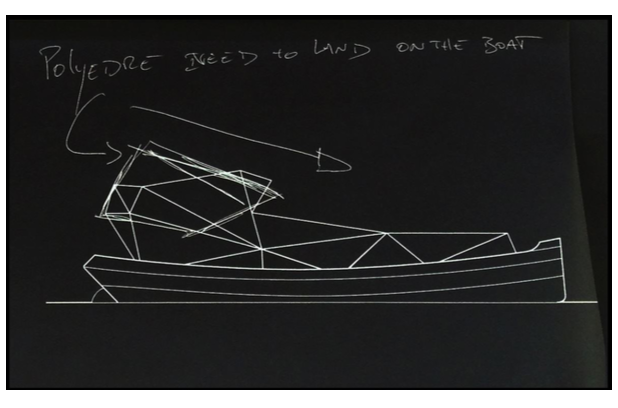
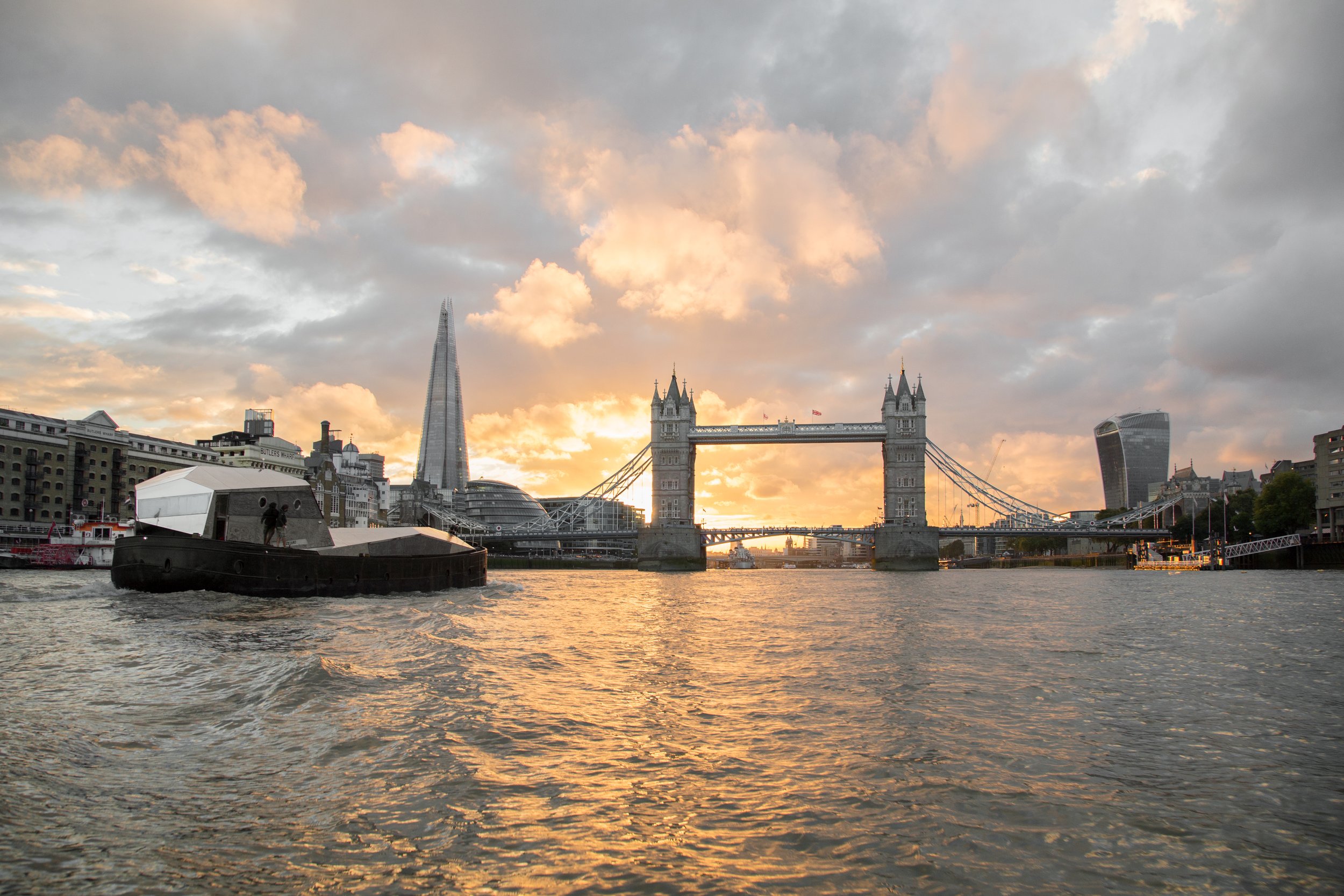
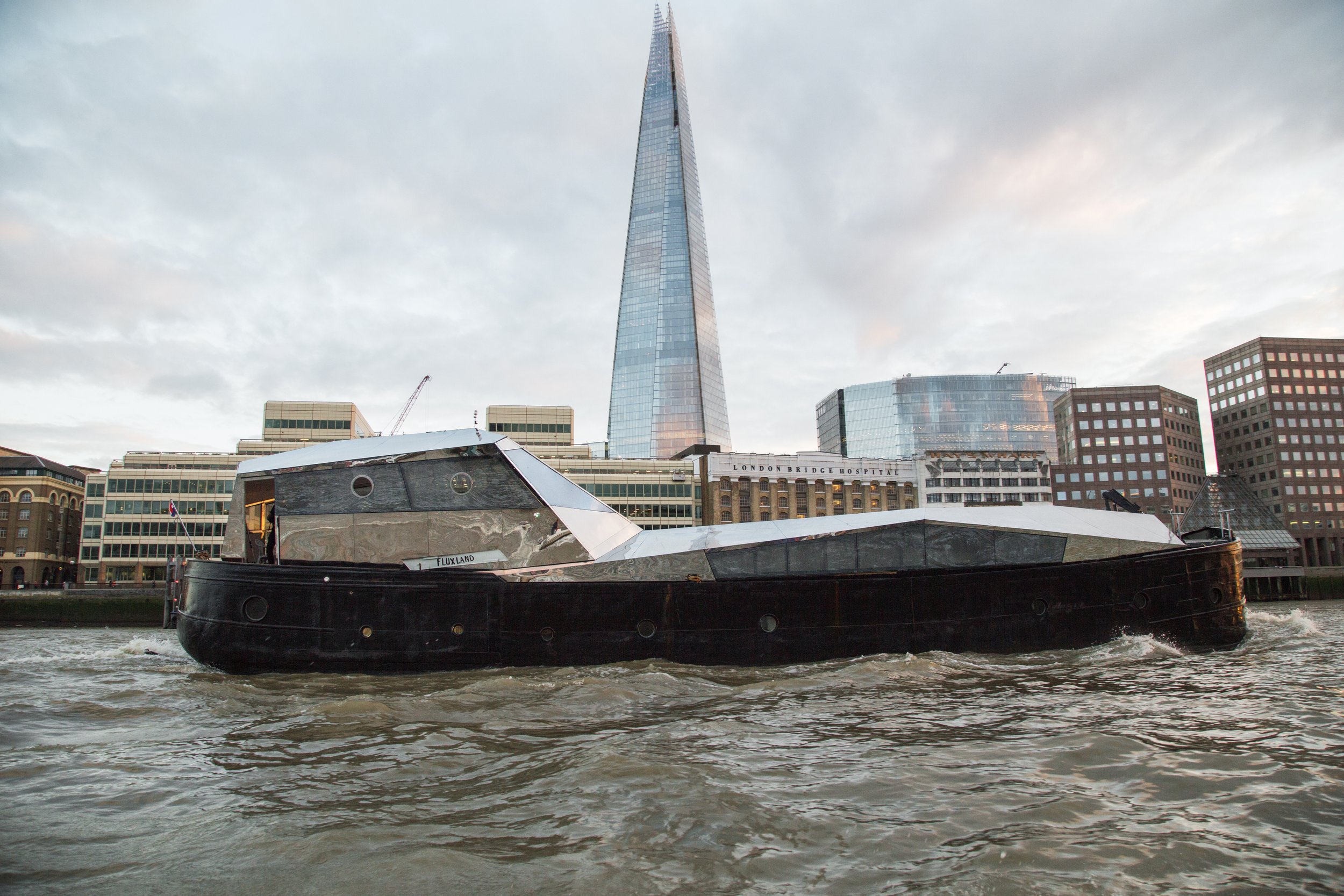
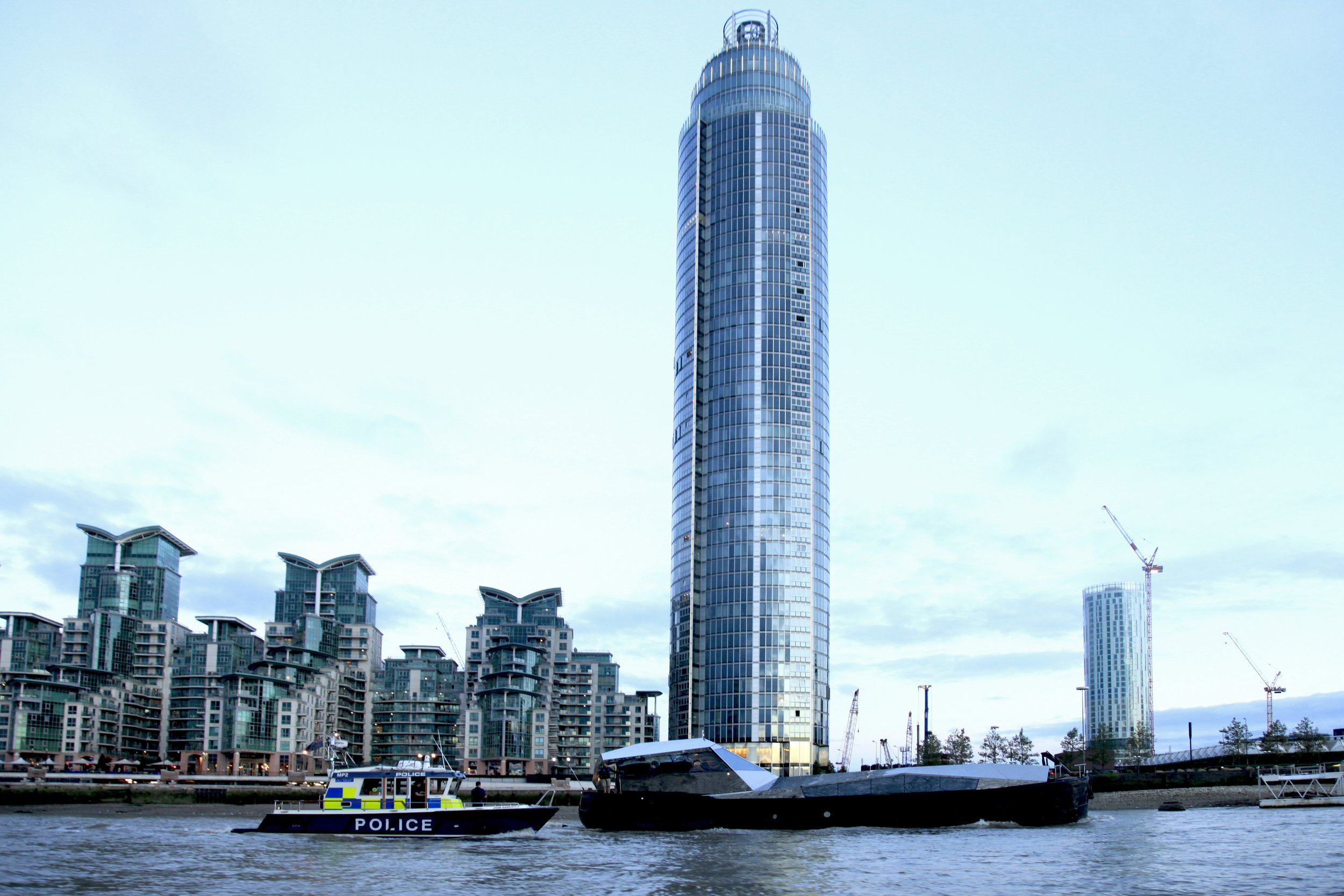
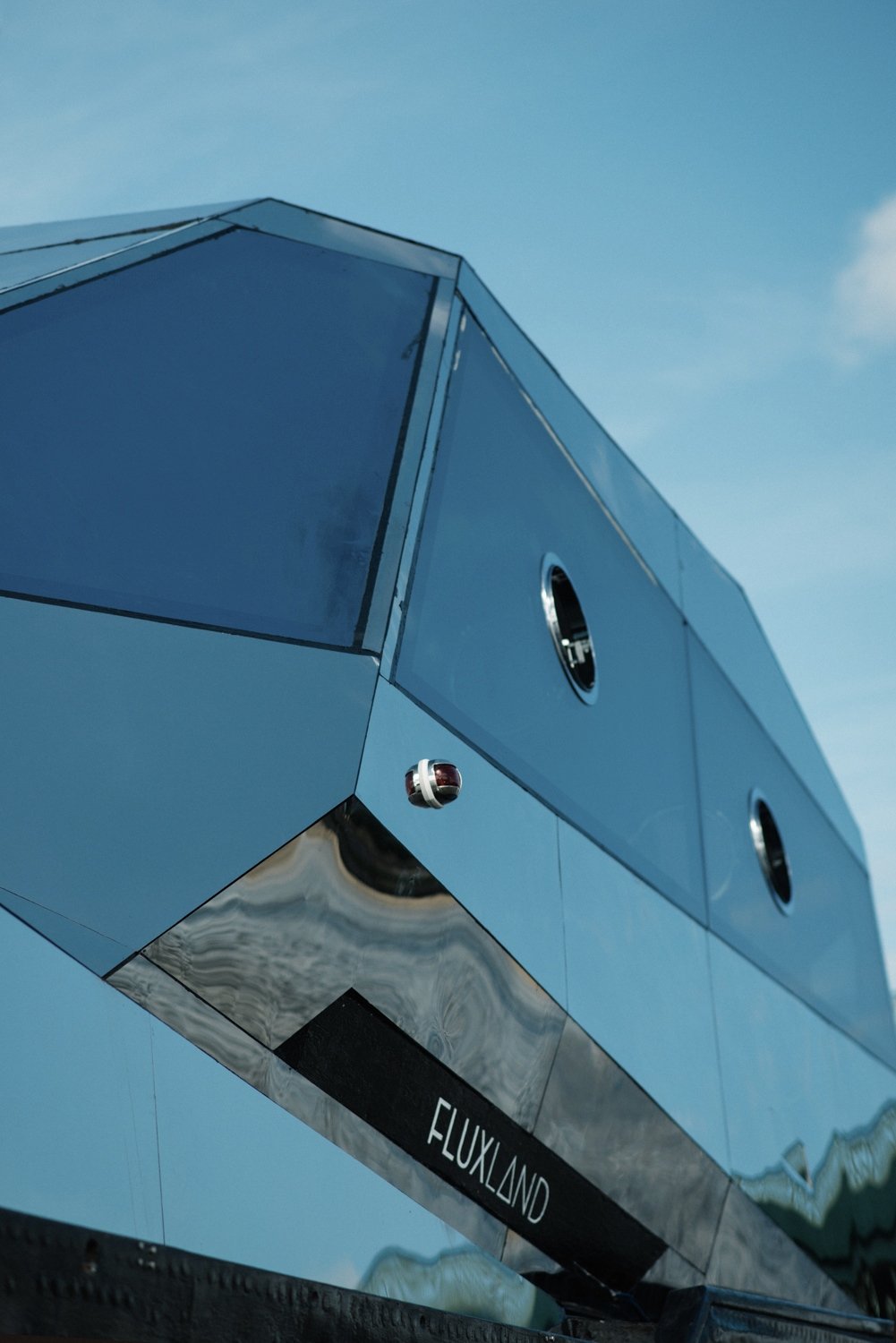
Fluxland is a new interactive artwork, sound piece and space for debate ideated by the artist Cyril de Commarque and launched for a programme of events in London on September 2016. The artist, who has exhibited at the MACRO in Rome and at the Venice Biennale, has created Fluxland from a former freight boat combined with a mirrored polyhedron sculptural form.
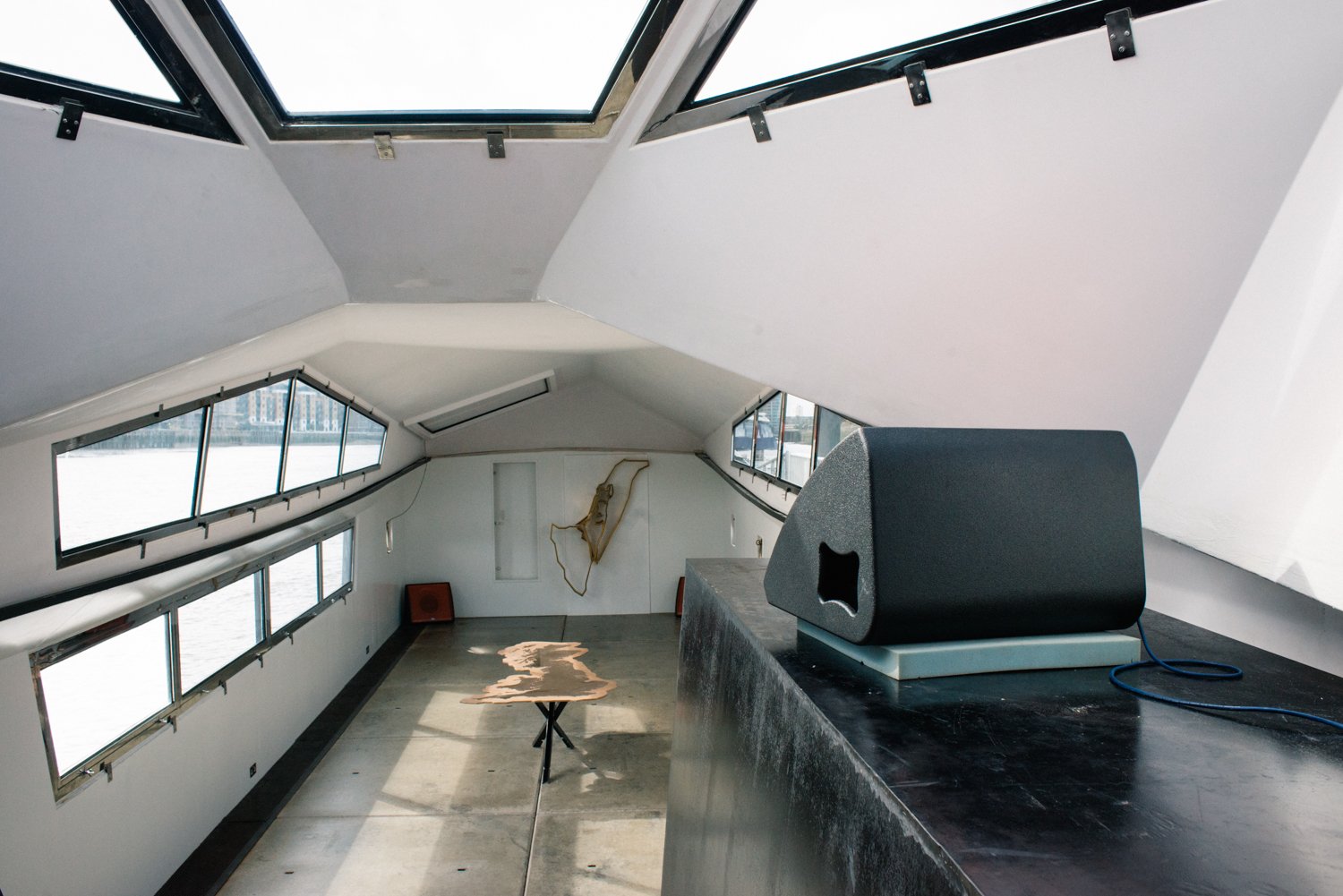
The vessel travelled from north Holland to London where it navigated along the Thames through the city as a series of artistic performances, and eventually it moored in a location accessible to the public. From here the boat moved to other locations as part of the performance featuring sound installations. A space for debate and discourse, Fluxland is a pioneering project which invites us to consider and interrogate notions of progress through the intersection of art, philosophy and science.

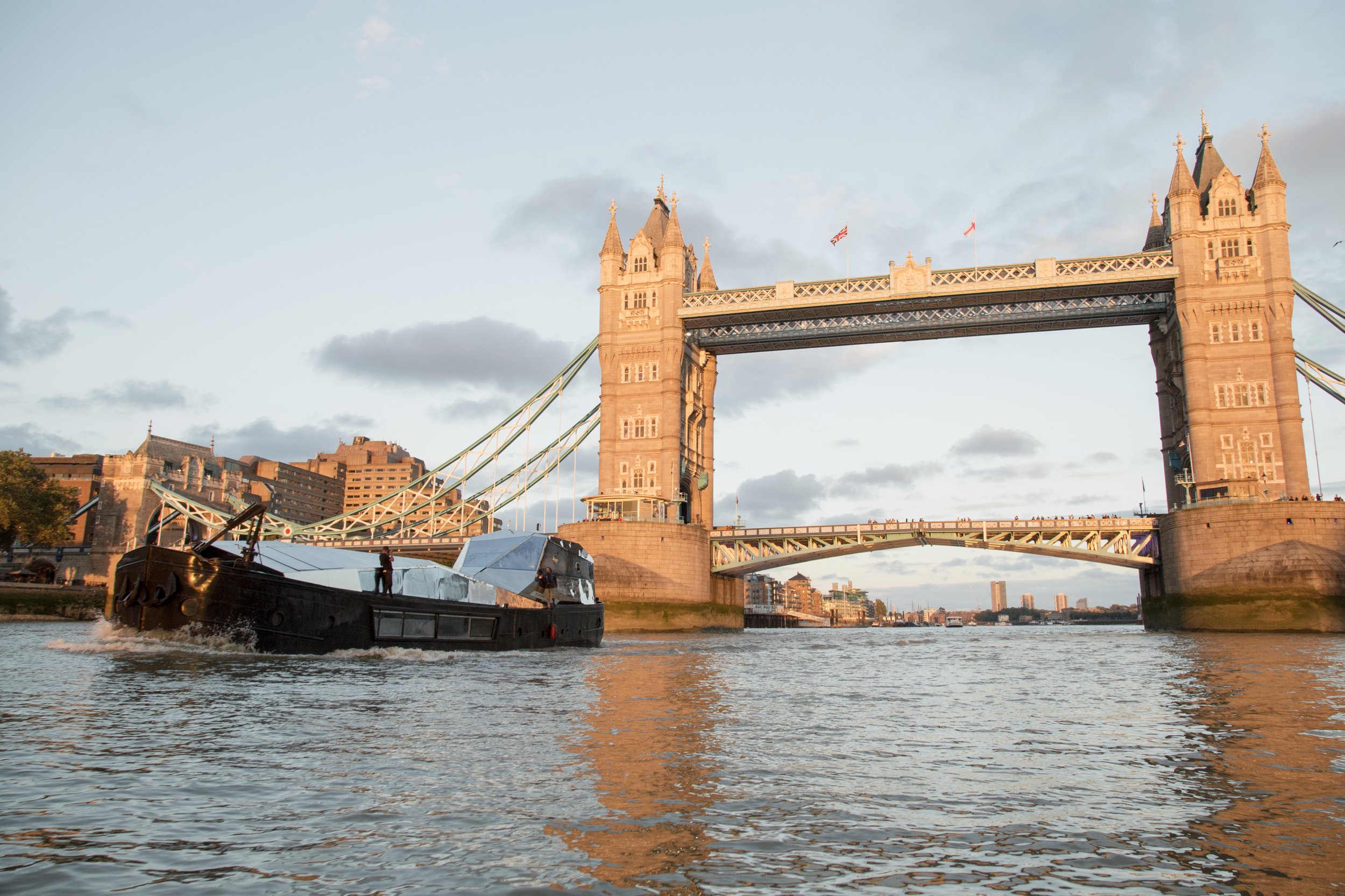
Fluxland, sculpture boat, performance on the river thames, Totally Thames Festival, City of London 2016
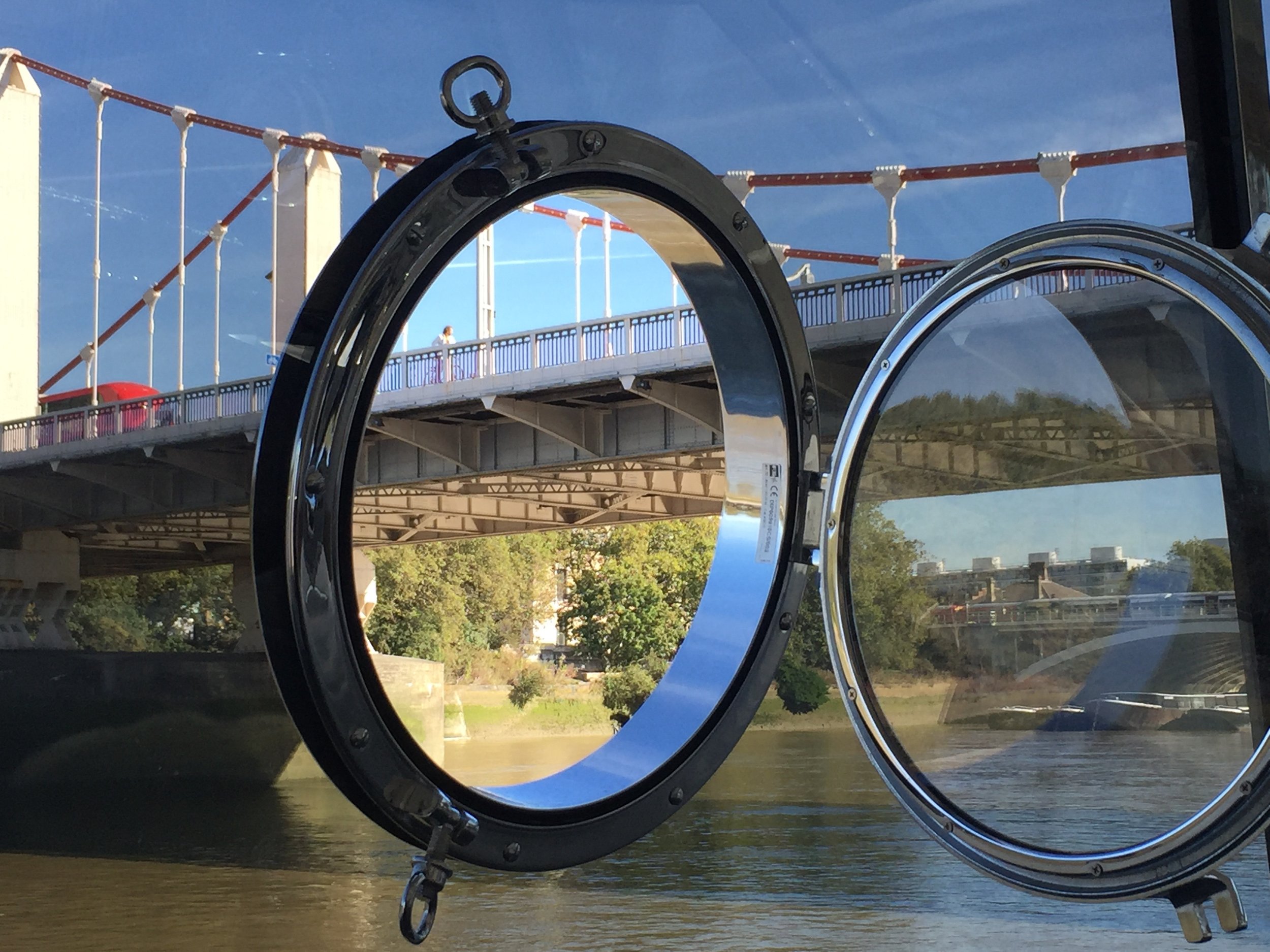
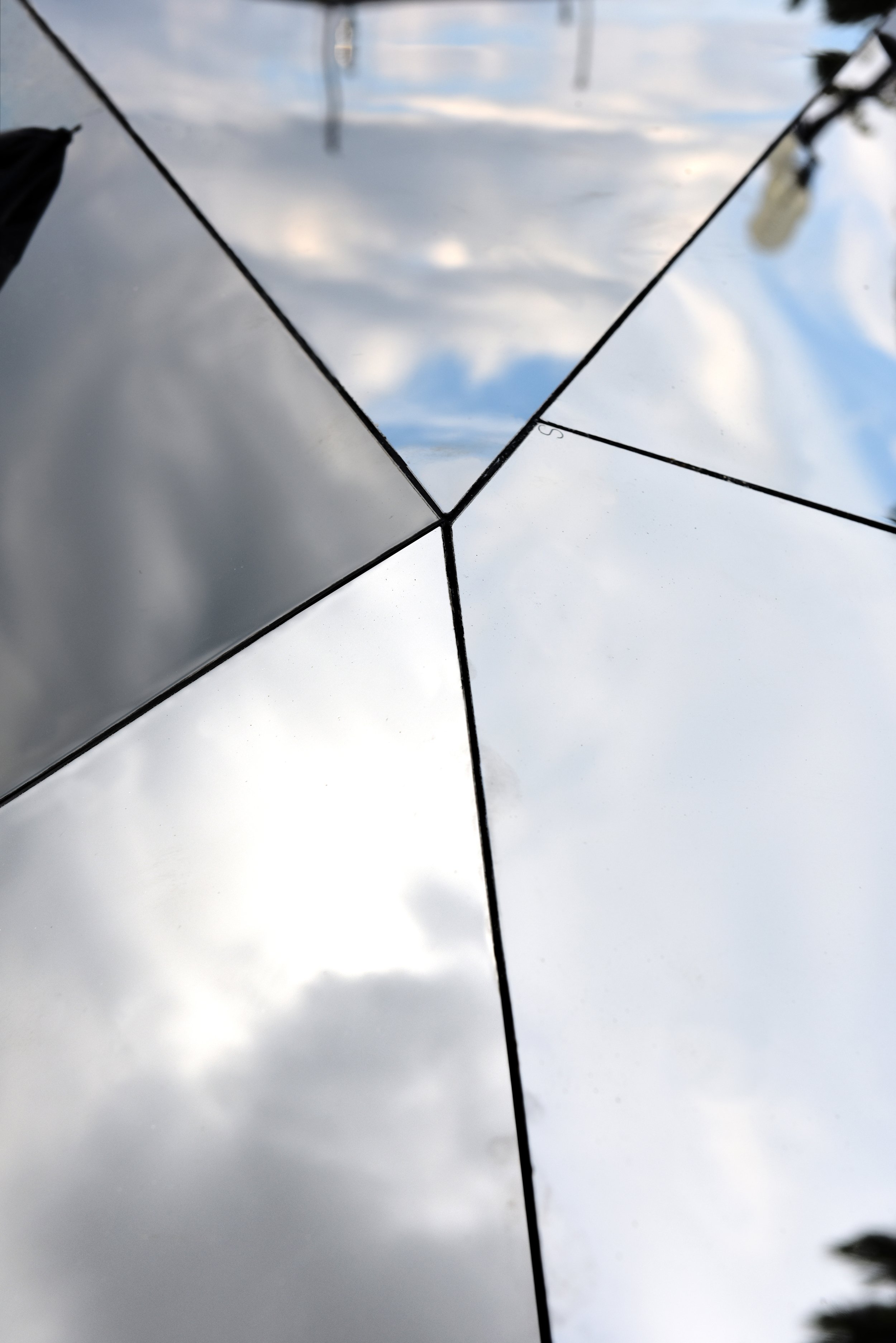
Travelling from its construction in a Dutch shipyard to London, the polyhedron boat became more than a sculpture — it turned into a mobile zone of encounter. From its mooring at Imperial Wharf, Fluxland undertook a series of journeys along the Thames, its mirrored planes absorbing and refracting the city: light, buildings, and bodies folded into one continuous movement, accompanied by a sound performance that echoed through the urban landscape.
Beyond its physical form, Fluxland operated through the lives it brushed against — the workers along the riverbanks, the commuters crossing the bridges, the passersby who suddenly heard the sound drifting through the air. Each became an inadvertent participant, part of a silent choreography of attention and surprise. The work existed in these fleeting exchanges, in the conversations it provoked, in the awareness it momentarily suspended.
The name Fluxland recalls the Fluxus movement of the 1960s, which sought to dissolve the boundaries between art and life. Inspired by Joseph Beuys’s conviction that “every human being is an artist,” de Commarque extends this principle to the collective field — toward an art experienced as shared consciousness, dispersed through space and time rather than confined within an object.
The polyhedron — a form long associated with philosophical contemplation and the search for harmony since antiquity — becomes here a vessel for perception, a structure of thought in motion. In the Renaissance, geometry and reflection were metaphors for universal truth; in Fluxland, they are instruments for questioning progress itself.
Fluxland is not a mirror but a passage — a shifting field where the city, the water, and the human gaze converge, and where the idea of progress drifts into the present tense.
“In the laboratory of ideas, Fluxland was an unusual and vital space, bringing together international voices in serious and thoughtful debate”



“Fluxland allowed me to engage with the besieged ideas of progress”